Choosing the Right Ecommerce Platform for Your Business
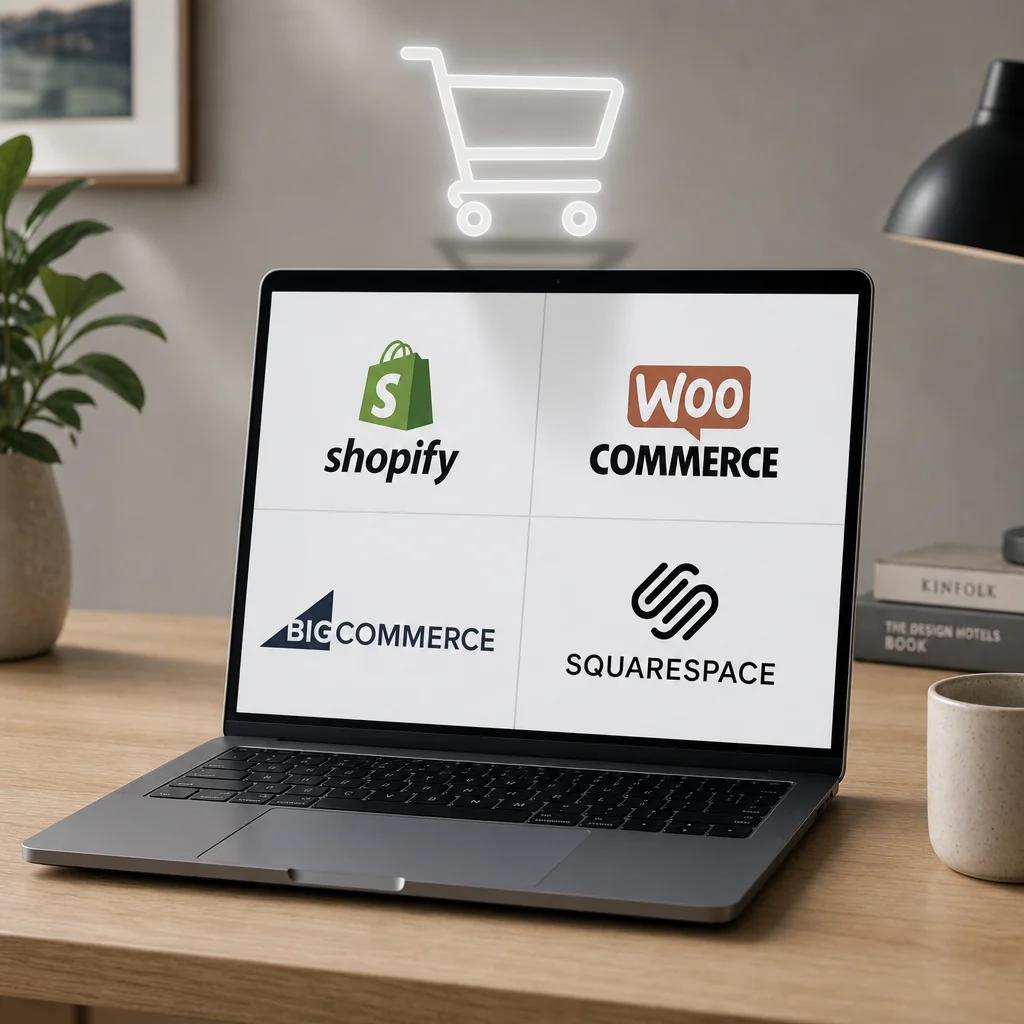
Understanding Your Business Needs
Before diving into platform options, clarify your goals. Are you aiming for rapid growth, international expansion, or a niche boutique store? Knowing whether you need robust inventory management, multi‑currency support, or advanced SEO tools will narrow the field dramatically.
Key Factors to Evaluate
- Scalability – Choose a solution that can handle traffic spikes and product catalog growth without performance loss.
- Cost Structure – Compare upfront setup fees, monthly subscriptions, transaction charges, and hidden costs for add‑ons or themes.
- Integrations – Ensure seamless connection with your CRM, email automation, payment gateways, and analytics platforms.
- SEO Friendliness – Look for built‑in schema markup, clean URL structures, and fast page load times to boost organic visibility.
SEO‑Optimized Platforms
Platforms like Shopify Plus, BigCommerce, and Magento (Adobe Commerce) offer strong SEO foundations. They provide customizable meta tags, automatic sitemap generation, and mobile‑first designs—critical for ranking in Google’s mobile‑centric index.
Balancing Design and Functionality
A visually appealing storefront drives conversions, but it must not sacrifice speed. Opt for themes that are responsive, lightweight, and support structured data. Pair your design with AI‑driven personalization tools to deliver tailored product recommendations and improve dwell time.
Making the Final Decision
- Create a shortlist based on the factors above.
- Request demos and test each platform’s admin interface.
- Run a cost‑benefit analysis over a 12‑month horizon.
- Consult your SEO and web design team to validate technical compatibility.
By aligning scalability, cost, integrations, and SEO friendliness with your brand’s vision, you’ll select an ecommerce platform that not only launches successfully but also grows sustainably with your business.