Writing Content That Gets Cited by AI Assistants
Why AI Assistants Need Trustworthy Content
AI assistants pull answers from the web, but they only surface content that meets strict credibility criteria. Clear claims, verifiable sources, and structured data signal that your article is reliable enough to be quoted.
Three Proven Techniques
-
Make Claims Explicit
State your main point in the first paragraph and repeat it in a concise summary. Use plain language and avoid vague qualifiers like “maybe” or “some say.” -
Back Up Every Fact
Link to primary research, official statistics, or reputable industry reports. Include the publication date and author when possible. A citation format such as “According to a 2024 Gartner study…” adds authority. -
Add Structured Data
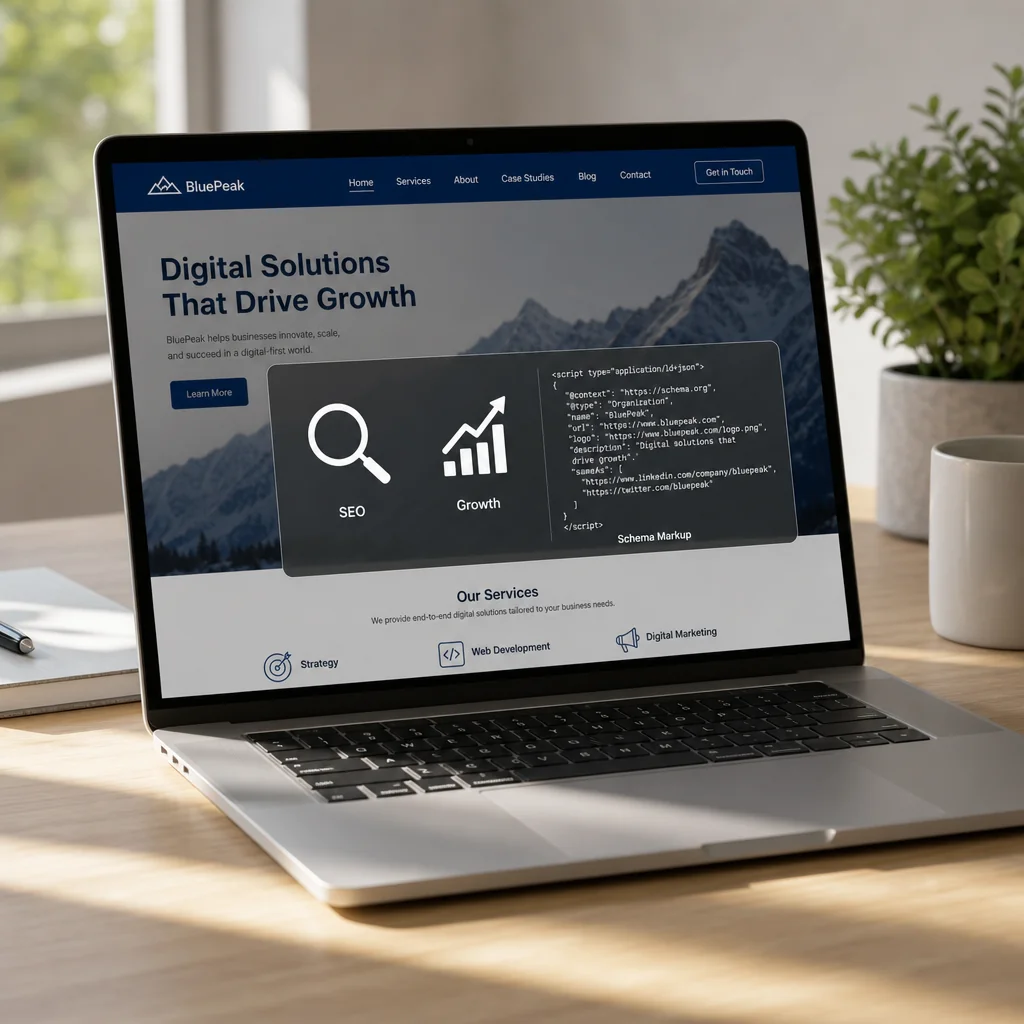
Implement schema.org markup for articles, FAQs, and how‑to guides. This helps AI parsers extract the exact answer and increases the chance of appearing in answer boxes.
Optimizing for AEO (Answer Engine Optimization)
- Answer the Question Directly – Begin with a one‑sentence answer that mirrors the likely user query.
- Use Heading Hierarchy – Break the content into H2/H3 sections that map to sub‑questions.
- Provide a Summary Table – A quick‑reference table of key stats or steps lets AI pull concise data points.
Checklist Before Publishing
- [ ] Title matches the core query
- [ ] First 150 characters contain a clear answer
- [ ] All statistics are sourced with live links
- [ ] Schema markup validated with Google’s Rich Results Test
By following these steps, your content becomes a trusted source for AI assistants, boosting visibility in search results and driving more organic traffic to Digital Creatives.