Recovering Rankings After a Google Algorithm Update
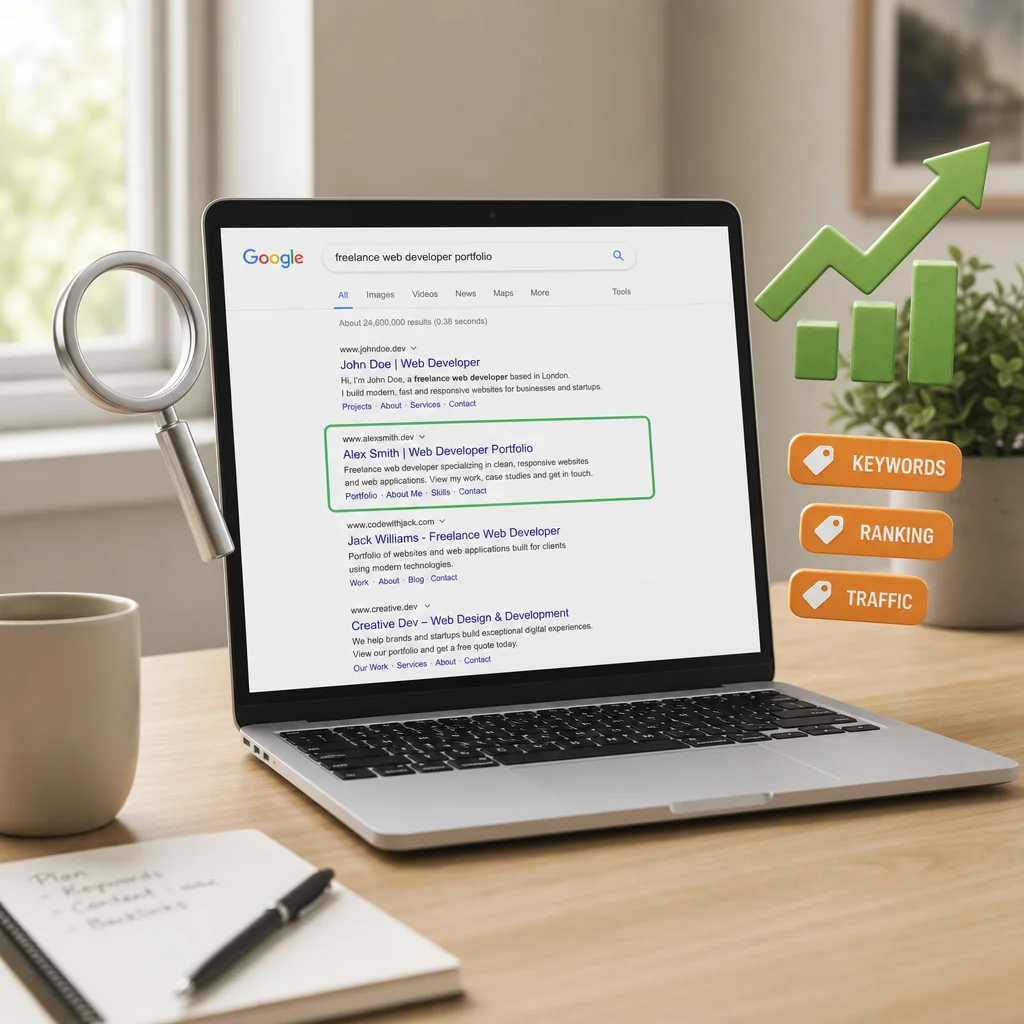
Why Rankings Drop After an Update
Google’s core updates target content relevance, E‑E‑A‑T (Experience, Expertise, Authority, Trust) and user intent signals. When the algorithm shifts, pages that lack depth, have thin content, or show outdated signals can lose visibility overnight. The first step is to confirm the drop is algorithm‑related, not a technical glitch.
Quick Diagnostic Checklist
- Check Google Search Console for a spike in “Coverage” errors or a sudden rise in “Impressions” loss.
- Compare historic SERP positions using a rank‑tracking tool; look for a uniform dip across multiple keywords.
- Audit core Web Vitals – slow LCP or high CLS can amplify the impact of an update.
- Review competitor performance; if rivals gain while you lose, it’s likely a relevance issue.
Step‑by‑Step Recovery Framework
- Identify Affected Pages – Pull a list of URLs with >30 % traffic loss.
- Perform an E‑E‑A‑T Gap Analysis – Verify author bios, add credentials, and cite reputable sources.
- Refresh Content Depth – Expand sections with data, case studies, or recent industry stats (especially for San Diego market trends).
- Optimize Semantic Signals – Use related LSI keywords, structured data (FAQ, How‑To schema), and internal linking to reinforce topic clusters.
- Improve Technical Health – Fix crawl errors, ensure mobile‑first indexing, and compress images for faster load times.
Actionable SEO & AEO Tactics for San Diego Businesses
- Localize Content: Insert neighborhood‑specific references (e.g., “North Park tech startups”) to boost geographic relevance.
- Leverage AI‑Generated Insights: Use AI tools to spot content gaps and generate fresh FAQs that match emerging search intent.
- Earn High‑Quality Backlinks: Partner with local chambers, universities, or industry podcasts for authoritative mentions.
Monitoring & Ongoing Optimization
After implementing fixes, monitor rankings weekly for 4–6 weeks. Adjust based on performance data, and keep a “algorithm update log” to refine future responses. Consistent, user‑first improvements will not only recover lost rankings but also future‑proof your site against the next Google update.