Google Ads Bidding Strategies Explained
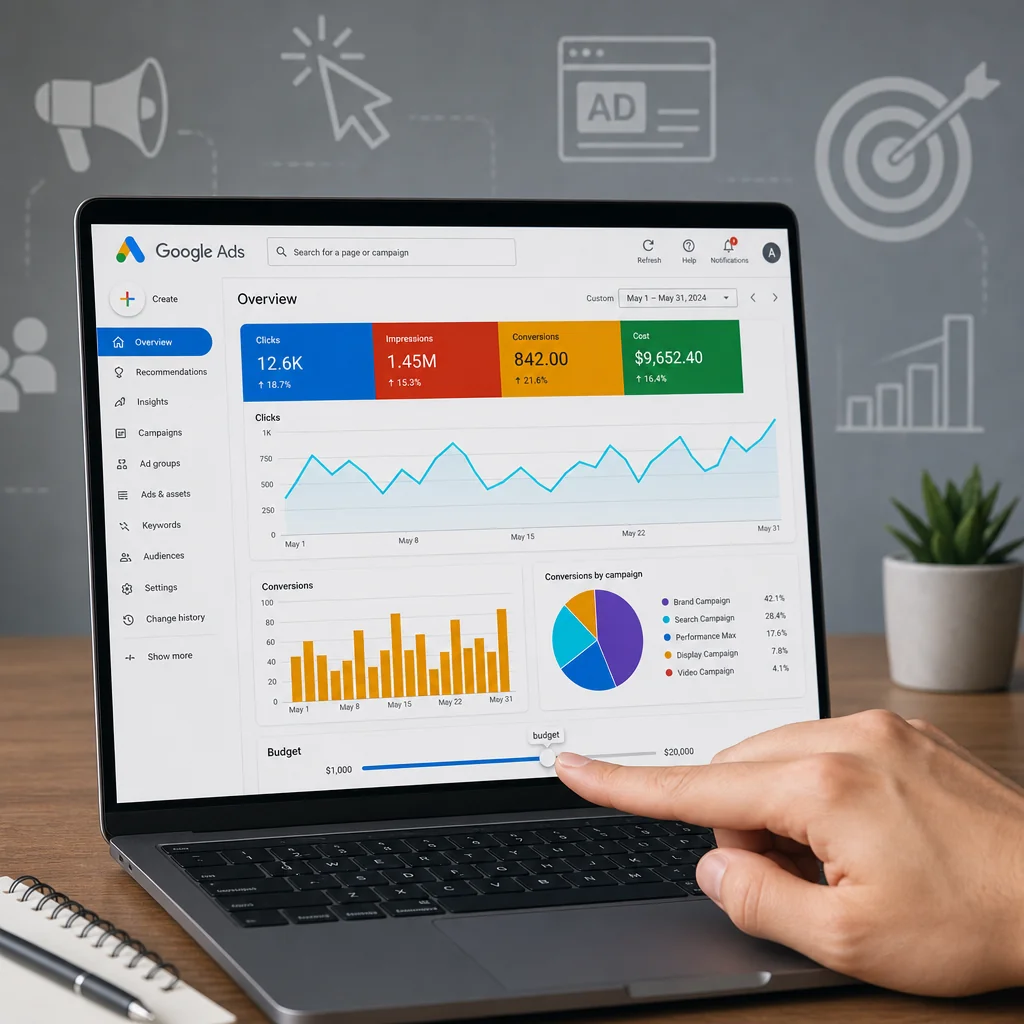
Understanding the Core Bidding Options
Google Ads offers two broad families of bids: manual and automated. Manual bidding gives you full control over each keyword’s cost‑per‑click (CPC), ideal when you have granular performance data and need to fine‑tune budgets. Automated strategies let Google’s machine‑learning engine adjust bids in real time, aiming to meet specific business goals such as cost per acquisition or return on ad spend.
When to Choose Manual Bidding
- Tight budget constraints – you can cap spend at the exact CPC you’re comfortable with.
- Highly competitive niche – manual bids let you outbid rivals on critical terms.
- Testing new keywords – you can monitor early performance without the algorithm overriding your intent.
Automated Bidding Strategies
Target CPA (Cost‑Per‑Acquisition)
Set a desired cost for each conversion and let Google optimize bids to hit that average. Best for lead‑generation campaigns where the value of a conversion is known and relatively stable.
Target ROAS (Return on Ad Spend)
Specify the revenue you expect for every dollar spent. Google then bids higher on clicks likely to generate higher value sales. Perfect for e‑commerce sites tracking exact purchase amounts.
Maximize Conversions
Google spends your daily budget to drive as many conversions as possible, without a preset CPA. Use this when you’re focused on volume and have flexible cost expectations.
How to Pick the Right Strategy for San Diego PPC
- Define your goal – leads, sales, or brand awareness?
- Assess conversion data – enough historical conversions?
- Test and iterate – start with Target CPA or ROAS, then switch to Maximize Conversions if volume stalls.
By aligning the bidding method with your campaign objectives, you’ll unlock higher ROI and keep your San Diego digital marketing budget working smarter, not harder.