Cultural Considerations for International Content Strategy
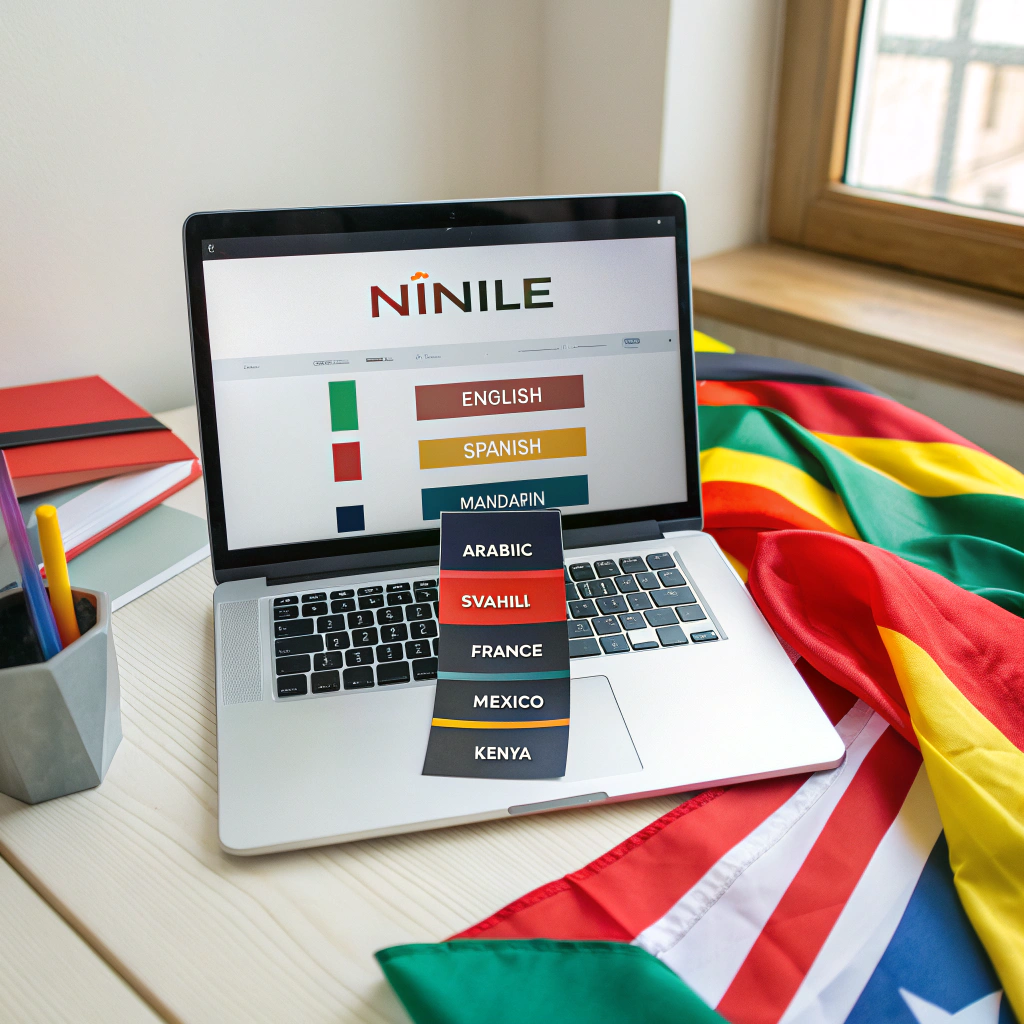
Understanding Cultural Nuances in Content
When you expand your brand beyond borders, cultural relevance becomes a core SEO and AEO factor. Search engines reward content that resonates with local audiences, improving GEO rankings and click‑through rates. Start by researching language idioms, humor styles, and regional values. A phrase that works in the U.S. may feel off‑tone in Japan or Brazil, affecting dwell time and bounce rates.
Adapting Tone and Voice
- Formal vs. informal: German audiences often prefer a more formal tone, while Australian readers enjoy a conversational style.
- Authority cues: In many Asian markets, citing local experts or government sources boosts credibility.
- Emotional triggers: Highlight community and family in Latin America; emphasize efficiency and innovation in Scandinavia.
Imagery That Speaks Locally
Visuals are a universal language, but the symbols they carry differ. Use locally sourced photos, culturally appropriate colors, and avoid stereotypes. For example:
- Color meanings: Red signals luck in China but can denote danger in South Africa.
- Iconography: A handshake may be a sign of agreement in the U.S., yet a bow conveys respect in Japan.
Keyword Localization and SEO
Translate more than just words—localize keywords. Conduct region‑specific keyword research to capture search intent variations. Incorporate geo‑targeted meta tags and schema markup to signal relevance to search engines.
Testing and Continuous Optimization
Launch A/B tests with localized headlines, meta descriptions, and call‑to‑action buttons. Monitor metrics such as organic CTR, dwell time, and conversion rates across each market. Use the data to refine tone, imagery, and messaging iteratively.
By weaving cultural insight into every layer of your content strategy, you not only boost international SEO performance but also build authentic connections with global audiences.